Optimal Timing for Lanai Removals
Determining the optimal time for lanai removals involves considering weather conditions, seasonal demand, and project scope. Proper timing can influence project safety, efficiency, and cost-effectiveness.
Dry seasons typically provide better conditions for lanai removal projects, reducing delays caused by rain or high humidity.
Scheduling during off-peak months can offer more flexible timelines and potentially lower costs due to reduced demand.
Certain materials used in lanais may be more susceptible to damage during specific weather conditions, influencing the best removal timing.
Understanding regional climate patterns helps in planning removals to avoid extreme weather events.

Summer offers longer days and dry weather, ideal for outdoor construction activities.
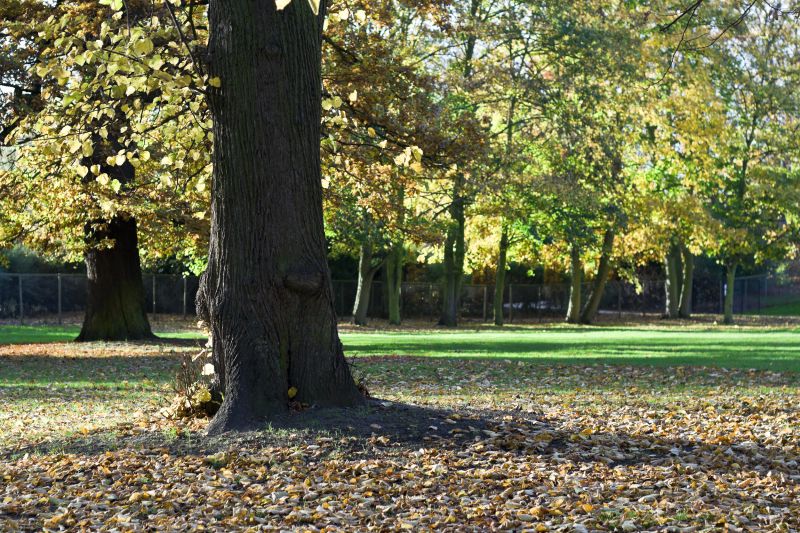
Fall provides cooler temperatures and less humidity, suitable for removal projects.
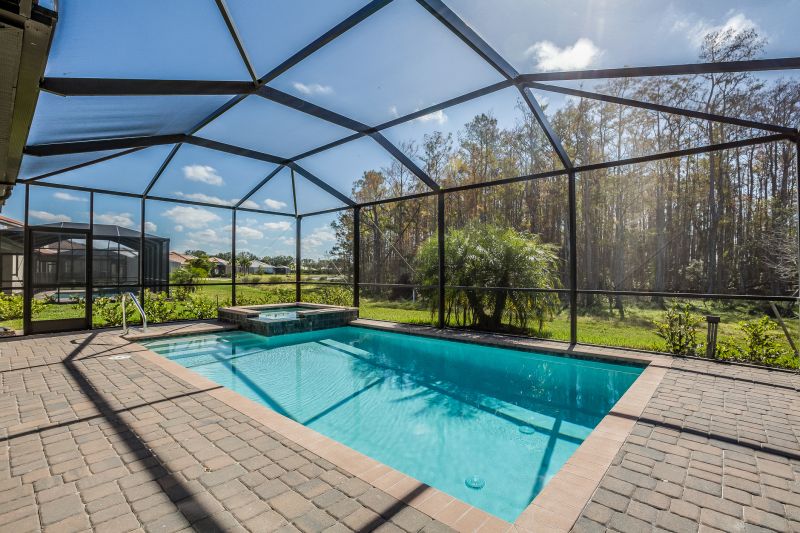
Winter conditions vary by region but can pose challenges due to cold and precipitation.

Ways to make Lanai Removals work in tight or awkward layouts.

Popular materials for Lanai Removals and why they hold up over time.
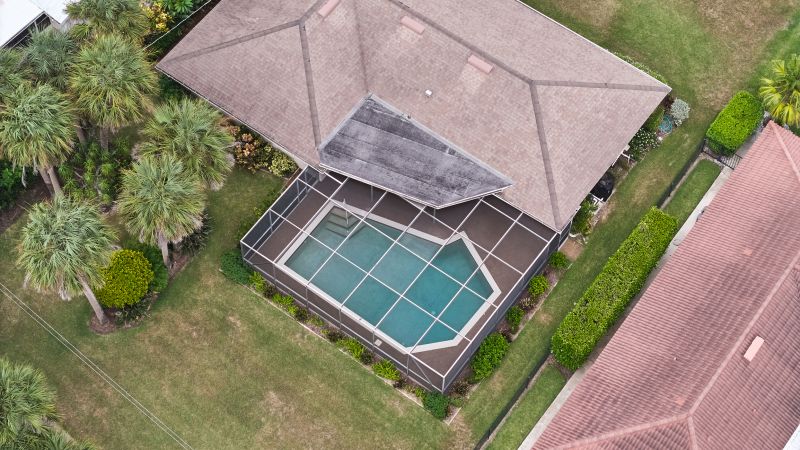
Simple add-ons that improve Lanai Removals without blowing the budget.
| Timing Consideration | Details |
|---|---|
| Weather Conditions | Dry and mild weather reduces delays and safety risks. |
| Project Demand | Off-peak seasons may offer more scheduling flexibility. |
| Material Sensitivity | Some materials perform better under specific weather conditions. |
| Regional Climate | Understanding local weather patterns helps avoid extreme conditions. |
| Construction Schedule | Coordinate with other construction phases for minimal disruption. |
Lanai removals involve the careful disassembly and removal of outdoor patio enclosures, often requiring specialized equipment and safety measures. The timing of these projects can significantly affect their success, with optimal periods offering better weather conditions and logistical advantages. Proper planning ensures that the removal process proceeds efficiently, minimizing potential damage and project delays.
Statistics indicate that scheduling during dry, moderate weather months can reduce project duration by up to 20%. Additionally, planning removals in early spring or late fall can help avoid peak demand periods, leading to potential cost savings and more flexible scheduling options.
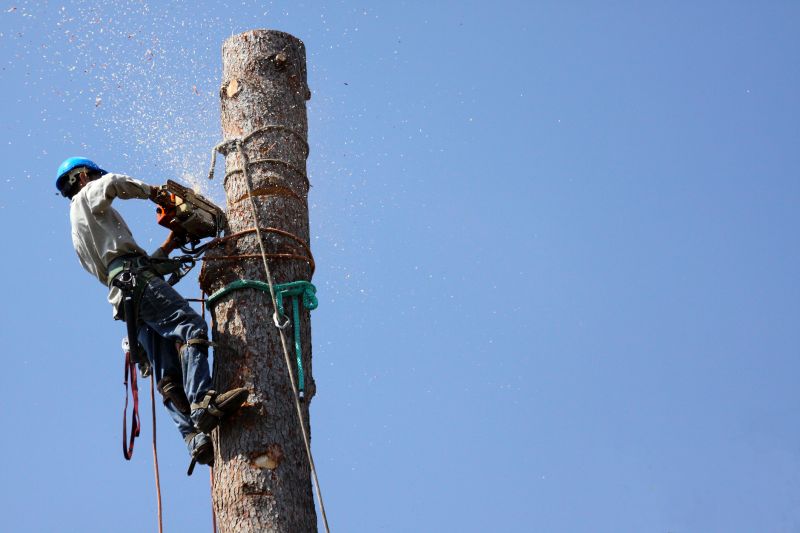
Step-by-step removal ensures safety and efficiency.
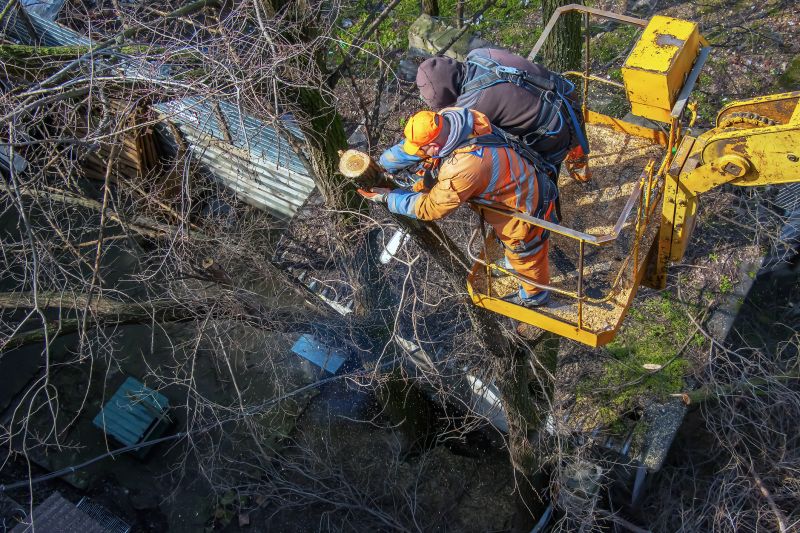
Specialized equipment facilitates safe disassembly.

Transformations highlight project effectiveness.
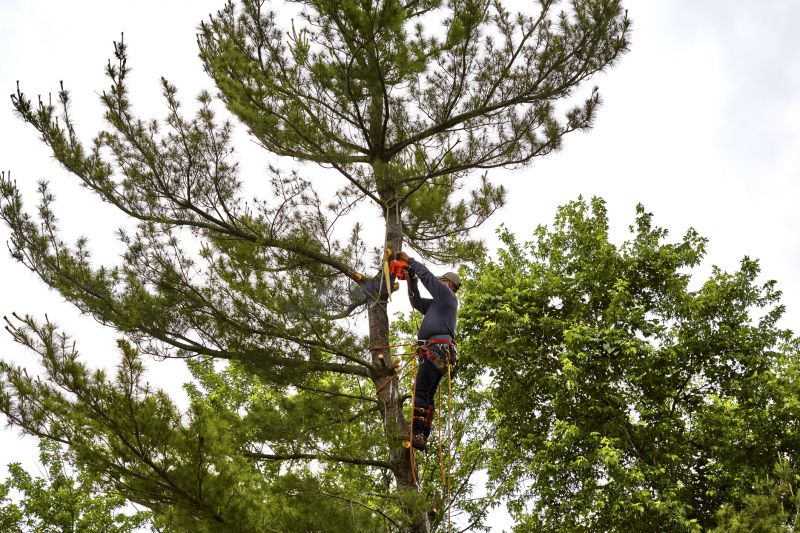
Preparation is key to smooth removal operations.

High-end options that actually feel worth it for Lanai Removals.

Finishes and colors that play nicely with Lanai Removals.

Little measurements that prevent headaches on Lanai Removals day.

A 60-second routine that keeps Lanai Removals looking new.
Interested parties are encouraged to contact for more detailed information or to discuss specific project needs. Proper timing and planning are essential for successful lanai removals, ensuring safety and efficiency throughout the process.