
Leading Products For Lanai Removals To Simplify Your Renovation
Explore top-rated tools and supplies designed to make lanai removal efficient, safe, and hassle-free for your next project.
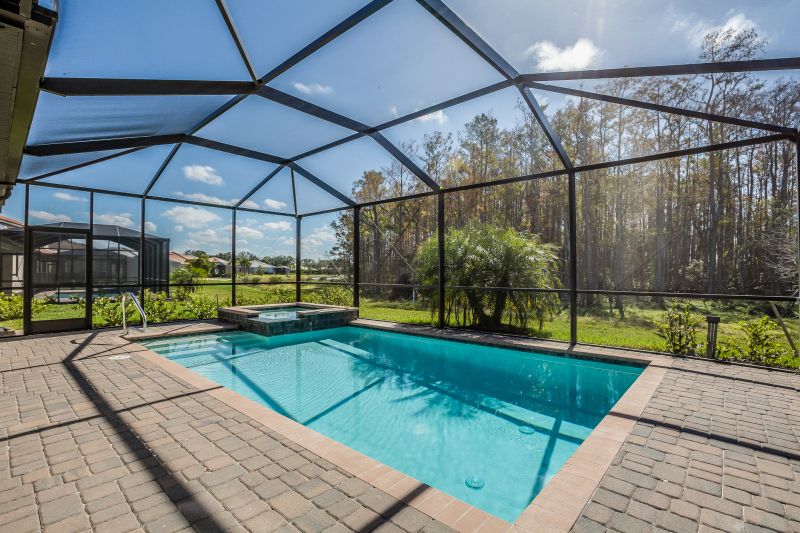 Lanai removals often involve clearing enclosed or semi-enclosed outdoor spaces to enhance usability, improve aesthetics, or prepare for renovation. A variety of products are available to assist in this process, ranging from physical removal tools to protective coverings and structural components. Selecting the appropriate items depends on the specific type of lanai, its construction materials, and the scope of the removal project. Proper planning and the right equipment can make the process more efficient and safer.
Top Overall Option
Heavy-Duty Demolition and Removal Kit
A comprehensive demolition kit that includes rugged pry bars, sledgehammers, safety gear, and multi-purpose scrapers. Designed for versatility, this kit provides the essential tools needed to disassemble various lanai structures safely and efficiently. Its durable construction and ergonomic design make it suitable for both DIY enthusiasts and professionals, enabling effective removal of frames, panels, and roofing materials with confidence.
Types of Products For Lanai Removals
Pry Bars and Crowbars
Essential for prying apart panels, frames, and other structural components during removal.
Heavy-Duty Sledgehammers
Useful for breaking apart stubborn materials and frames safely.
Power Saws
Including reciprocating and circular saws for cutting through wood, metal, and composite materials.
Protective Gear
Gloves, goggles, masks, and ear protection to ensure safety during removal tasks.
Disposal and Hauling Bags
Heavy-duty bags and containers designed for efficient debris collection and transport.
Weatherproof Covers
Temporary coverings to protect the space during or after removal.
Structural Support Components
Beams, braces, and anchors for rebuilding or repurposing the space.
Roofing Removal Tools
Specialized tools for safely removing roofing materials like shingles or panels.
Scaffolding and Ladders
Access equipment to reach higher areas safely during removal.
Sealants and Caulking Removers
Products to help in dismantling sealed joints and connections.
Replacement Panels and Screens
For converting or updating the space after removal.
Insulation Removal Tools
Specialized equipment for safely removing insulation materials.
Popular Choices
Versatile blades suitable for cutting through various materials during removal.
Reliable tools for prying apart stubborn panels and structures.
Powerful tools for breaking concrete, wood, or metal components.
Essential protective equipment to ensure safety during demolition.
Large tarps for collecting and transporting debris efficiently.
Temporary covers to shield the area during or after removal.
Flexible support structures for reaching high or awkward areas.
Specialized tools for removing shingles and roofing panels.
Stable ladders for accessing elevated sections of the lanai.
Products designed to loosen and remove sealants and adhesives.
For updating or repairing screened areas after removal.
Tools for safely extracting insulation without damage.
When undertaking a lanai removal, safety should be a primary concern. Protective gear such as gloves, goggles, and masks are essential to prevent injuries from debris or dust. Additionally, tools like heavy-duty scrapers, pry bars, and power saws can facilitate the disassembly of frames, panels, and roofing materials. For larger structures, equipment like mini excavators or scaffolding may be necessary to access hard-to-reach areas and ensure stability during removal.
Post-removal, many homeowners consider options for covering or repurposing the space. This can include installing temporary or permanent enclosures, such as retractable screens or weather-resistant curtains. In some cases, the space may be converted into a different type of outdoor area, requiring additional structural components or finishing materials. Proper disposal or recycling of materials is also an important step, and specialized hauling or disposal products can simplify this process.
Overall, the key to an effective lanai removal lies in choosing versatile, durable, and user-friendly products that match the project's scale and complexity. Whether you are removing a small screened porch or a large enclosed lanai, having the right tools and accessories ensures a smoother experience and a more satisfactory outcome.
Key Buying Considerations
- Assess the size and scope of your lanai to determine the necessary tools and equipment.
- Prioritize safety gear such as gloves, goggles, and masks to protect during removal.
- Choose durable tools that can handle the materials involved, including wood, metal, or composite panels.
- Consider whether power tools or manual tools are more suitable for your experience level and project scale.
- Evaluate disposal options for debris, including heavy-duty bags, dumpsters, or recycling centers.
- Look for versatility in tools to handle multiple tasks, reducing the need for additional equipment.
- Check for adjustable or extendable tools to reach high or awkward areas safely.
- Ensure that protective coverings or weatherproof options match the size of your space.
- Review the compatibility of structural components if planning to rebuild or repurpose the space.
- Consider the environmental conditions during removal, such as wind or rain, and plan accordingly.
- Factor in the ease of use and ergonomic design of tools to reduce fatigue during extended projects.
- Review product reviews and ratings to gauge reliability and effectiveness.
- Determine if specialized tools are needed for roofing, insulation, or sealing components.
- Plan for post-removal cleanup and finishing materials to complete the project smoothly.
- Set a realistic budget that balances quality tools with your project needs.